
Choosing the best vacuum for fiberglass dust is essential for effective cleanup and protecting your health. Fiberglass particles are extremely fine, irritating, and difficult to capture with standard vacuums so you need a machine with strong suction, a high efficiency filtration system (ideally HEPA) and tools designed to trap microscopic dust without releasing it back into the air.
We review top vacuums that handle fiberglass dust safely and thoroughly, explain key features to look for and help you find the best option for your workspace or home cleanup needs.
Our Top Picks



Bosch 1200W GAS 35 M AFC Extractor
Delivers long‑lasting, powerful suction with an automatic filter‑cleaning system that keeps performance steady under heavy use. Suited to pro workshops and trade sites where reliability and high throughput matter.
Overview
If your hybrid floors are in high use environments like workshops or workspaces, this pro grade wet/dry extractor stands out as the best vacuum for hybrid flooring. Built for demanding jobs, it maintains strong, consistent suction thanks to automatic filter cleaning, so performance doesn’t drop as debris builds up. It’s an excellent choice when durability, steady power, and minimal downtime matter more than lightweight design.
Key features
Performance and practical use
The automatic filter shake/clean system is the headline: it prevents rapid blockages and preserves suction during long sessions like concrete grinding or sanding. The long 5 m hose and robust floor nozzle make quick floor clearing easy, while tool connections allow extraction directly from many power tools.
In practice you will notice that the extractor handles fine concrete and wood dust reliably; users report it works daily in industrial settings with no loss of performance. If you use it on both wet and dry tasks, consider keeping a second head or dedicated attachment to simplify switching between modes.
Limitations and tips
The unit is heavier and more costly than compact shop vacs, so it's aimed at professional or heavy hobby use. Aftermarket filters and bags are available but check seal quality carefully, poor fitting substitutes can reduce protection. For easier wet/dry transitions, some users keep a second head attached and secured for fast swapping.
Makita VC4210MX/2 42L M‑Class Extractor
Combines a roomy 42‑litre capacity with a powerful motor and auto filter cleaning for long sessions. It's aimed at tradespeople who need run‑time, tool integration and solid filtration.
Overview
You get a large‑capacity M‑class extractor built for workshop and site tasks. The VC4210MX/2 pairs a substantial collection drum with an auto‑start power take off that integrates with many power tools to reduce airborne dust at source.
Key features
Performance and practical use
The size and filtration make it suitable where you collect lots of material — for example long sanding sessions or production tasks. The auto‑on/off function is very useful: when you switch your connected tool on, the extractor follows, which reduces manual switching and helps capture dust from the very first cut.
Common practical notes: the extractor is heavier so plan positioning carefully; use casters for mobility but inspect them if you move the unit over rough ground. If you plan to vacuum floors occasionally, add compatible floor heads since they may not be supplied depending on the kit.
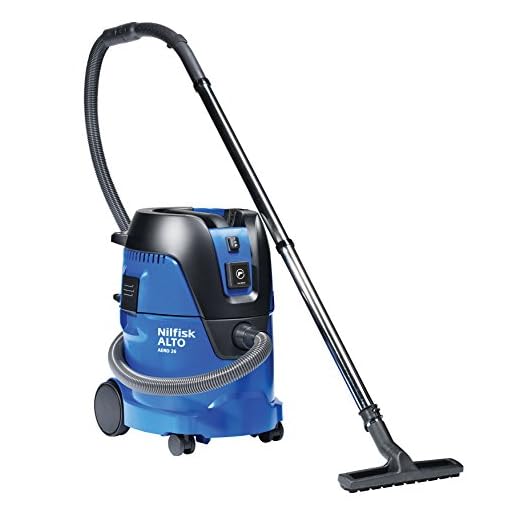
Nilfisk AERO 26‑21 PC Canister Vacuum
Offers a practical mix of solid filtration, automatic tool activation and good accessory storage at an affordable price. It suits workshop users who want compact but capable extraction without high cost.
Overview
The Nilfisk AERO 26‑21 PC is a canister wet/dry vacuum that focuses on practicality: automatic tool start, simple filter cleaning and on‑machine accessory storage. It’s designed for users who want a compact extractor that still performs well with sanders and small power tools.
Key features
Performance and practical use
You will find it straightforward to set up for sanding or cutting tasks: plug a tool into the socket and the vacuum springs into life, which helps capture dust from the first second. The unit is light compared with larger extractors, so it's easy to move between workstations and storage is simple thanks to on‑board clips and boxes.
Be aware that some variants are L‑class rather than M‑class; check the model you buy if you need M‑class filtration for very fine or regulated dusts. For general workshop tasks and finishing work it typically gives good value and reliable performance.
Trend T35 1400W M‑Class Wet & Dry Extractor
Offers strong 1,400 W extraction and power take‑off for automatic tool activation, making it suited to routers, sanders and heavier dust generation. Good mid‑range choice for workshop use where power and auto‑start matter.
Overview
The Trend T35 is a 1,400 W M‑class wet/dry extractor designed for workshop users who want strong suction and automatic tool integration without the top‑tier price. It balances power and portability for typical routing and sanding tasks.
Key features
Performance and practical use
You will appreciate the strong suction when extracting dust from routers, circular saws and more demanding power tools; the auto‑start function reduces missed dust at the start of a cut. The long hose and mains lead let you position the extractor away from dust and work area, which reduces disturbance from the exhaust.
Practical caveats: the housing and supplied fittings are more plastic‑based than premium alternatives, so treat the unit as a workshop tool rather than a heavy‑duty industrial extractor. Many users swap in higher‑quality nozzles and heads for floor work. If you use it frequently, factor ongoing bag costs into total ownership.
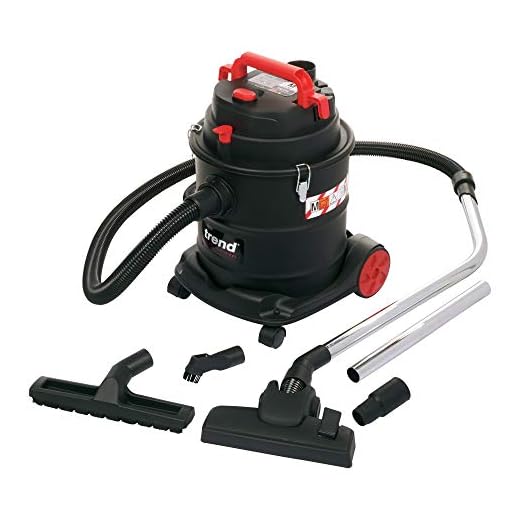
Trend T32 Compact M‑Class Extractor 20L
A compact, M‑class certified extractor that offers decent filtration and portability at a low price. Good for lighter site duties and occasional tool extraction when space and budget matter.
Overview
The Trend T32 is a compact 20 litre M‑class extractor aimed at tradespeople who need a portable, low‑cost option with acceptable filtration. It’s pitched at site use, vehicle cleaning and light to medium power tool extraction tasks.
Key features
Performance and practical use
You will value this unit where portability is a priority — it’s easy to stow in a van or move around a site. The accessory set covers common needs, from crevice and upholstery tools to floor brushes, so you can switch between tasks quickly.
Limitations show in longer, high‑demand sessions: suction can drop if filters/bags clog and the smaller drum fills faster than larger machines. For continuous heavy sanding or concrete grinding you should choose a larger extractor, but for occasional extraction or finishing tasks the T32 is a sensible budget choice.
Practical Guide: Choosing, Using and Caring for Fibreglass Dust Extractors
When you pick an extractor, match its strengths to the work you do. Ask yourself: how long will it run without a break? How much dust will it hold? Do you need tool integration? For long sessions and continuous tool use, prioritise models with automatic filter cleaning and larger capacity Bosch and Makita excel here. For compact workshops or occasional jobs, the Nilfisk and Trend T32 give a better cost-to-capability ratio.
Key buying points
Tips for safe and efficient use
Maintenance and filter care
Common mistakes to avoid
Practical use cases:
Keep a spare set of pre filters and one final stage filter in stock. That single step prevents downtime and protects you from breathing fine fibreglass particles during filter changes.
FAQ (bottom): see above section for quick, practical answers to common fibreglass extraction questions.
FAQs
M-class and HEPA are different standards. M-class (used by many workshop extractors) is designed to protect against hazardous dusts in trade settings and captures a high proportion of fine particles. HEPA filters capture even smaller particles to a defined standard (e.g. HEPA H13). For fibreglass dust, a good M-class extractor with sealed systems and quality filters will protect you well; choose HEPA if you need the absolute highest particle retention for very sensitive environments.
Only models specified as wet & dry (for example the Trend T35) are rated to handle liquids safely. For pure fibreglass dust you want dry extraction; avoid running standard dry-only models with moisture, as it damages filters and can degrade filtration performance.
With regular workshop use, inspect and shake out pre-filters daily and do a more thorough clean weekly. Replace primary filters every 6–12 months depending on load; replace HEPA or final-stage filters if you see damage, persistent drop in suction, or after prolonged heavy fibreglass exposure. Automatic filter-cleaning systems (Bosch, Makita) extend intervals, but still perform routine checks.
Yes for most trade uses. Auto-start keeps setup tidy, reduces hose trips, and prevents the extractor running unnecessarily. If you often plug power tools into the extractor or need synchronized operation, models with power take-off or automatic activation (Makita, Nilfisk, Trend T35) are valuable.
You can for light, occasional tasks. The Trend T32 is fine for small jobs and tight spaces, but it has less capacity and lower sustained suction. For medium-to-heavy fibreglass sanding you should step up to a larger M-class or professional model.
Final Thoughts
For professional sites and long sessions where uninterrupted, high-throughput suction matters, pick the Bosch 1200W GAS 35 M AFC Extractor. Its automatic filter cleaning system and sustained power make it the safest bet for heavy fibreglass work and continuous tool extraction.
If you want the best balance of performance, size and cost for a busy workshop or serious DIY use, go for the Nilfisk AERO 26-21 PC Canister Vacuum. It gives strong filtration, automatic tool activation and good accessory storage at a more approachable price ideal when you need HEPA-level control without paying for industrial excess.
